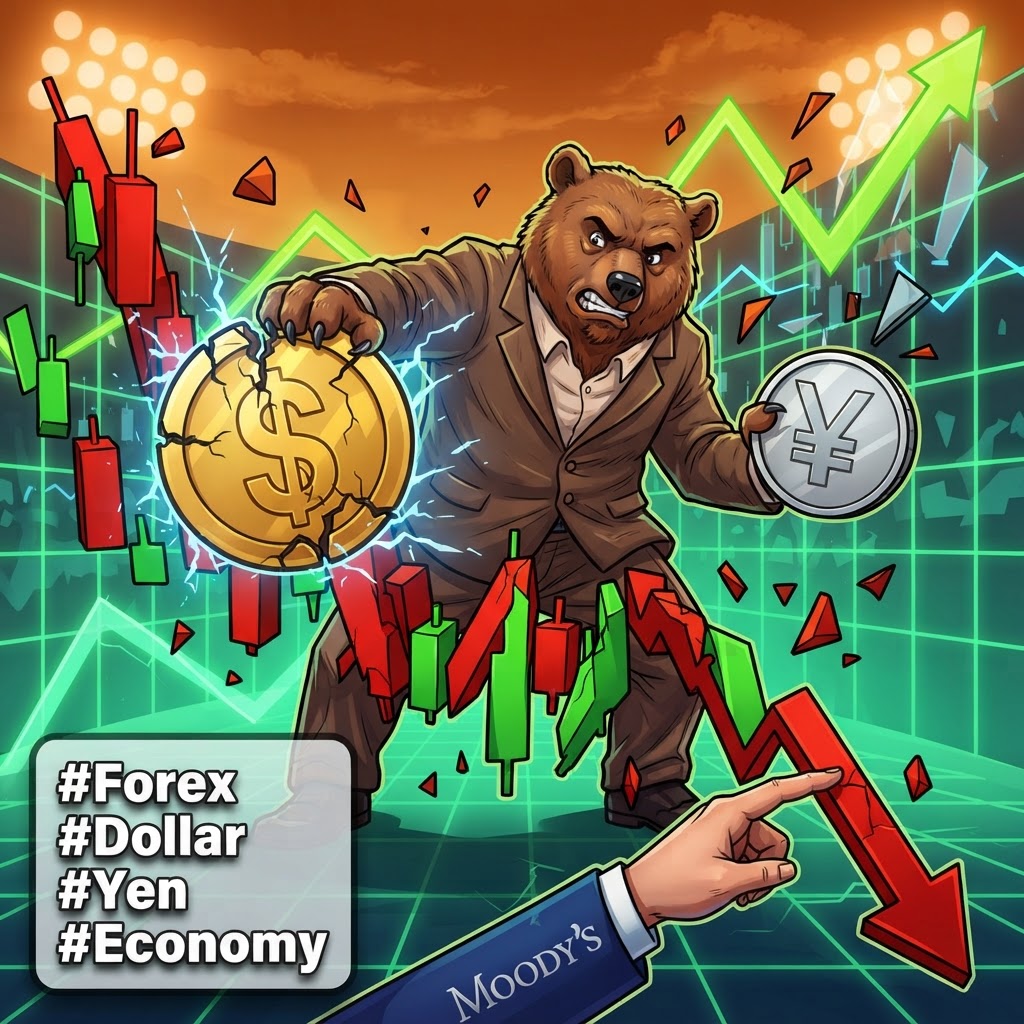
The US dollar is retreating against a basket of major currencies as traders recalibrate their expectations for future interest rate hikes. The shift follows the release of softer-than-anticipated inflation data, which has prompted a reassessment of the Federal Reserve's policy trajectory, while rising oil prices and ongoing geopolitical tensions in the Middle East continue to influence global currency flows.
Interest Rate Outlook and Currency Volatility
Expectations for aggressive interest rate hikes have cooled, providing a tailwind for the Euro and other major currencies. As the dollar weakens, the Euro has extended its gains, trading higher for a second consecutive day. This movement reflects a broader market sentiment that is increasingly sensitive to domestic economic indicators and the potential for a shift in central bank policy as the year progresses.
Geopolitical Impact on Commodities and Forex
Persistent tensions in the Middle East are acting as a secondary driver for market volatility, particularly impacting energy prices. As oil prices rise, the resulting inflationary pressure and uncertainty often lead to a flight to safety, which can complicate the traditional inverse relationship between the dollar and risk-sensitive assets. Traders are now closely monitoring how these geopolitical factors will interact with upcoming central bank communications to determine the next major trend in the forex markets.
— Market Strategists, Economies.com
Key terms and figures impacting the current forex environment include:
US Dollar Index EUR/USD Exchange Rate Federal Reserve Policy Oil Price Volatility
- The US dollar has fallen against most major currencies following soft inflation data.
- The Euro is showing sustained strength, marking two consecutive days of gains.
- Rising oil prices are contributing to market uncertainty and currency fluctuations.
- Geopolitical tensions in the Middle East remain a primary concern for global traders.