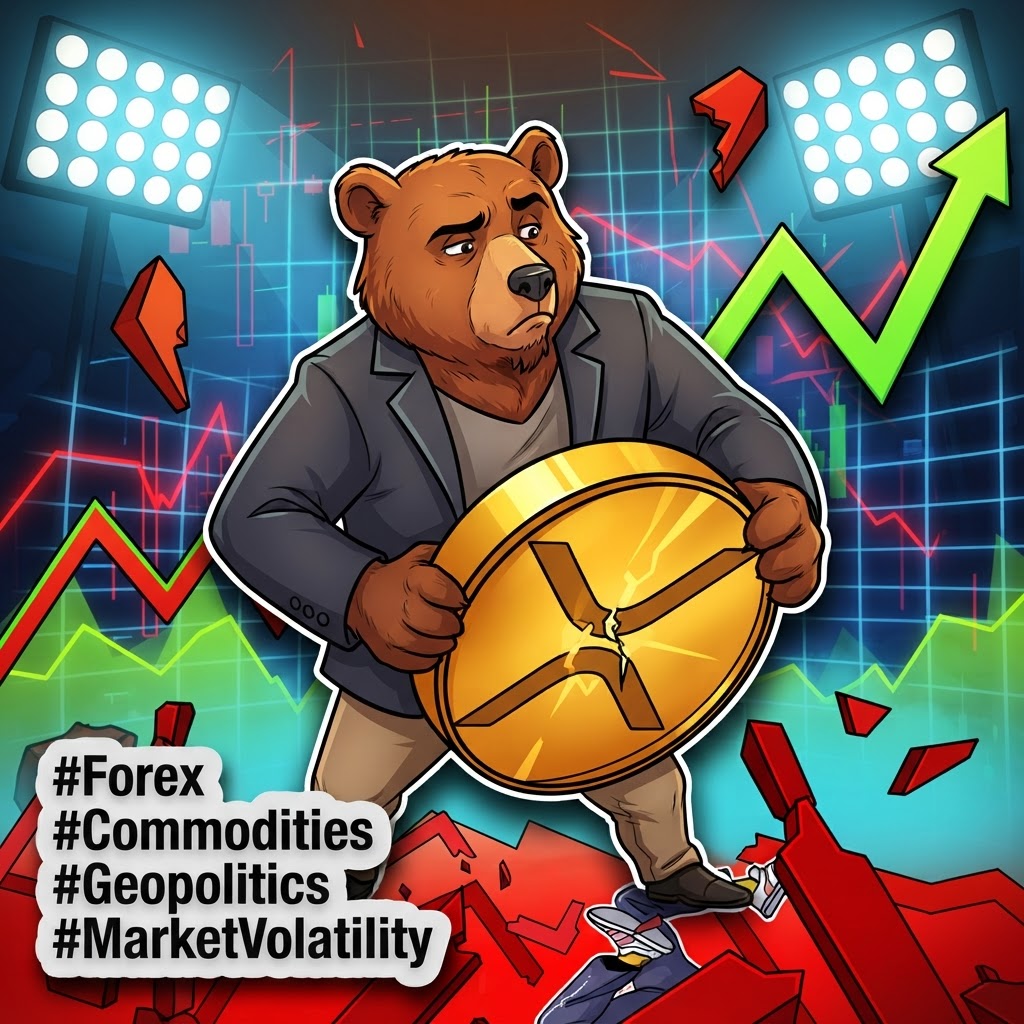
Financial markets are currently grappling with heightened uncertainty as skepticism grows regarding the longevity of the U.S. ceasefire with Iran. This geopolitical tension has introduced significant volatility into the forex and commodity sectors, as traders hedge against the risk of renewed conflict in the Middle East.
Volatility Spikes in Global Markets
Investors are increasingly wary that the current diplomatic pause may be short-lived, leading to a surge in market volatility. The uncertainty surrounding the situation has caused ripples across various asset classes, with many market participants opting for defensive positions. Analysts note that the lack of long-term confidence in the ceasefire is keeping risk premiums elevated, particularly in energy-sensitive markets.
Commodity and Forex Impact
As geopolitical tensions persist, the impact on commodities—particularly oil—remains a primary concern for global traders. The forex market is also feeling the pressure, with safe-haven currencies seeing increased demand as investors move away from riskier assets. The current environment is characterized by a 'wait-and-see' approach, as market participants look for concrete signs of stability before committing to long-term positions.
— James Nakamoto, Markets Reporter
Key terms and figures currently influencing the market landscape include:
- Geopolitical volatility
- Safe-haven demand
- Energy-sensitive markets
- Risk premiums
- Heightened uncertainty regarding Middle East stability
- Increased demand for defensive assets
- Potential for renewed commodity price fluctuations