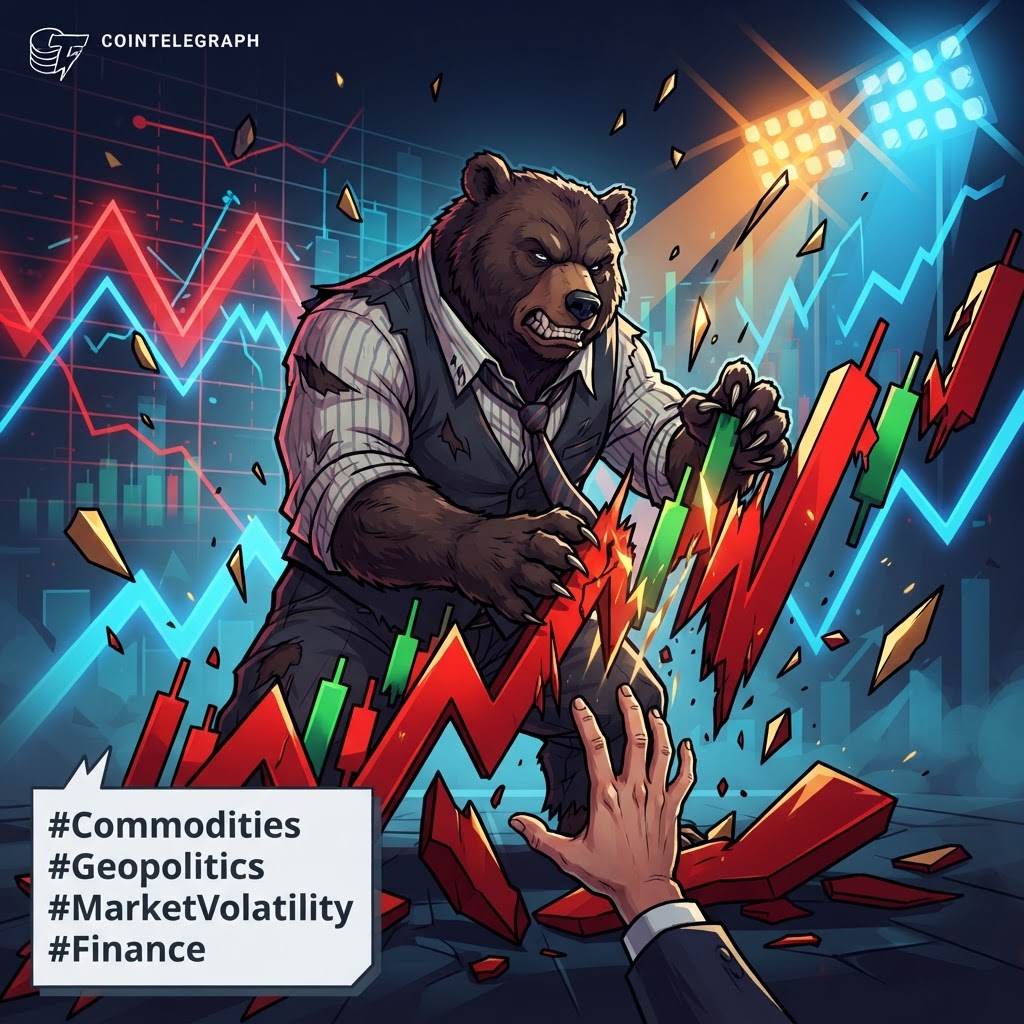
Global financial markets are bracing for a period of heightened volatility as geopolitical instability in the Middle East creates uncertainty for traders and investors alike. The potential for supply chain disruptions and increased risk aversion has led to a cautious outlook for major indices, with domestic markets expected to open in the negative.
Geopolitical Impact on Commodities
Commodity markets, particularly those sensitive to regional stability, are experiencing significant price fluctuations as traders hedge against potential escalations. The tension surrounding Iran has historically served as a catalyst for shifts in energy and precious metal valuations, as investors seek safe-haven assets to protect their portfolios from sudden market shocks. Analysts are monitoring the situation closely to determine the long-term impact on global trade flows.
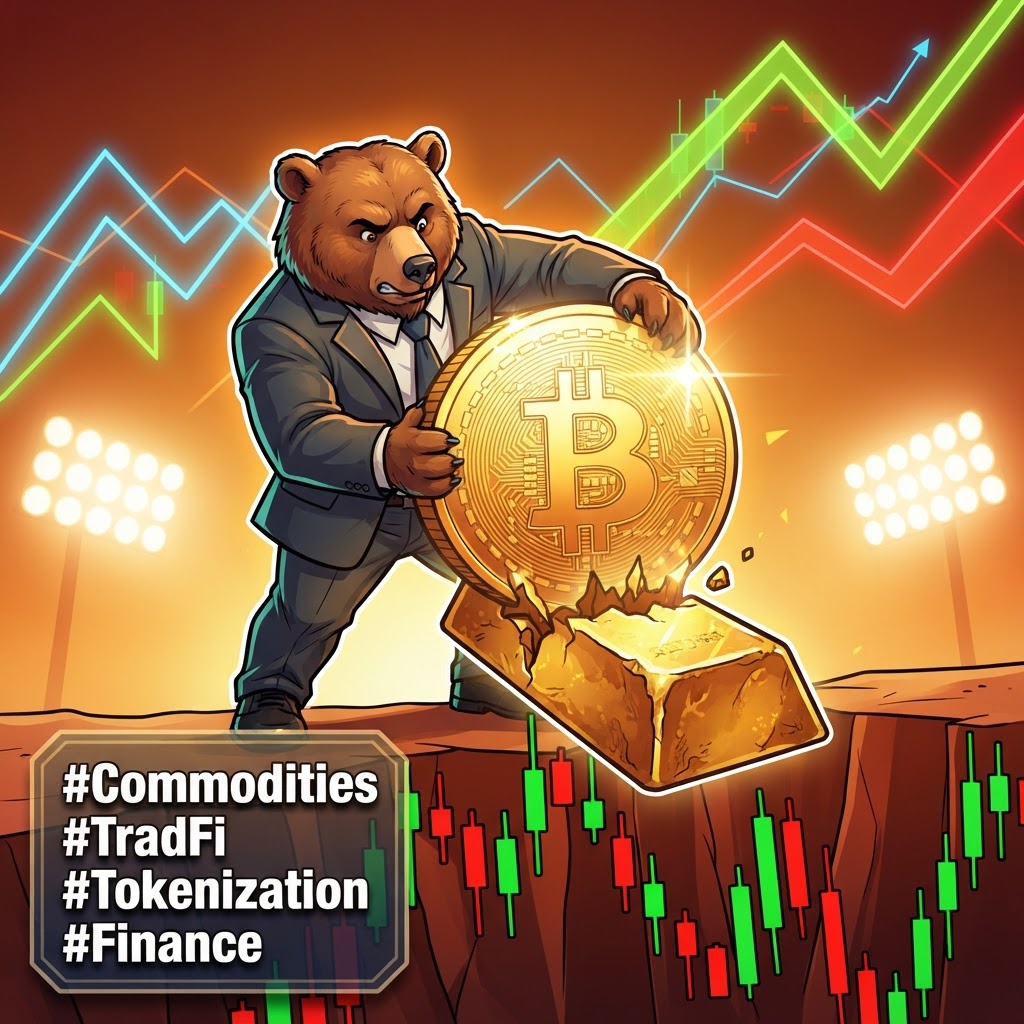
Beyond the immediate impact on indices like the Nifty, the broader commodity sector is facing pressure to adapt to these rapidly changing conditions. As traditional finance venues grapple with these risks, the integration of tokenized commodities on digital exchanges remains a point of interest, though liquidity and pricing gaps continue to present challenges for mainstream adoption.
— Financial analysts, commenting on the market reaction to geopolitical tensions —
Key figures and terms to watch include a projected 150-point drop for the Nifty index, the ongoing volatility in precious metals pricing, and the broader geopolitical risk premium currently being priced into global commodities.
- Potential for energy supply chain disruptions
- Increased demand for safe-haven assets
- Market sensitivity to Middle East developments